The Health Benefits of Well-Designed Interior Decoration

In our fast-paced modern world, the spaces we inhabit play a crucial role in our overall well-being. A well-designed interior decor is not just about aesthetics; it profoundly impacts our mental, physical, and emotional health. Here, we delve into the various health benefits of thoughtfully crafted interior spaces and how they can enhance our quality of life.
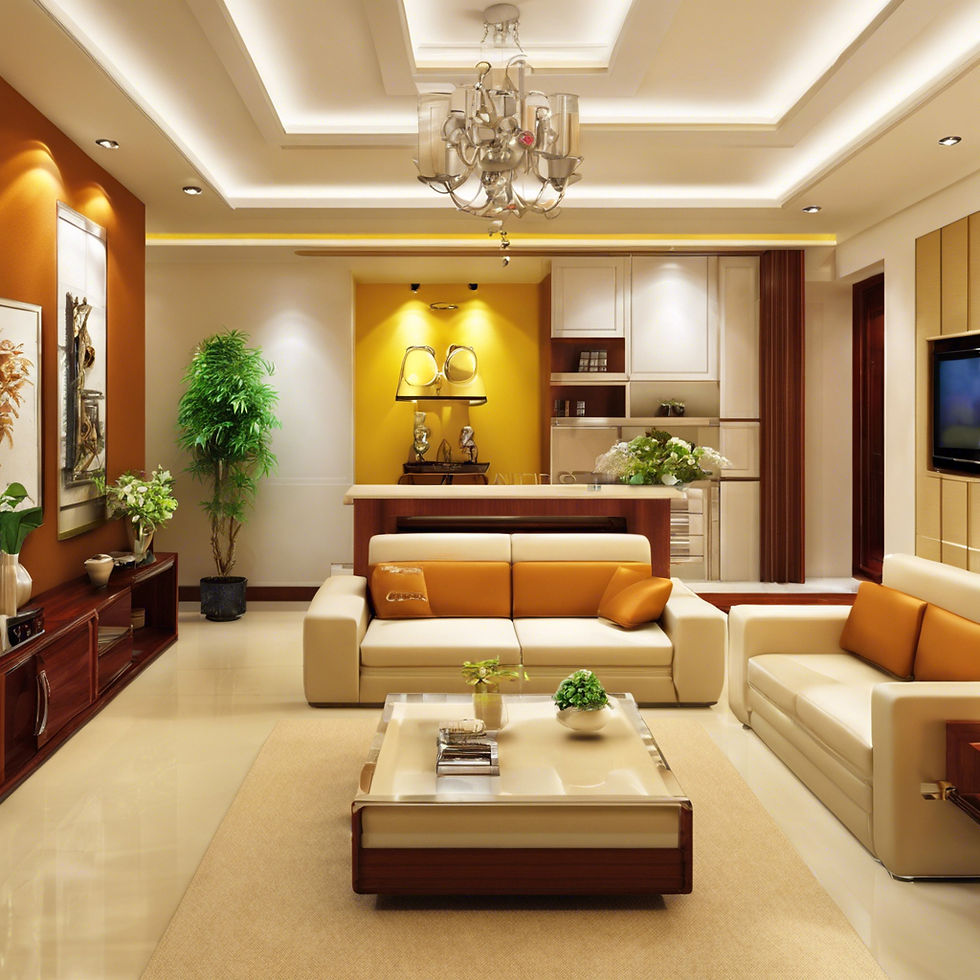
1. Boosting Mental Health
Natural Light
Exposure to natural light is essential for maintaining our circadian rhythms, which regulate our sleep-wake cycles. Incorporating large windows, skylights, and strategically placed mirrors can maximize natural light, helping to elevate mood, increase energy levels, and improve sleep quality.
Colour Psychology
Colours have a powerful influence on our emotions. Soft blues and greens are known to have calming effects, reducing stress and promoting relaxation. On the other hand, vibrant colours like yellow and orange can evoke feelings of happiness and energy. Choosing the right colour palette for different spaces can create a balanced and harmonious environment.
Biophilic Design
Integrating natural elements such as plants, water features, and natural materials into interior decor can significantly reduce stress levels and enhance overall well-being. This can be achieved by introducing planter pots with trees and using picture frames with greenery. Biophilic design connects us with nature, promoting a sense of tranquillity and well-being.
2. Enhancing Physical Health
Air Quality
Good indoor air quality is vital for our respiratory health. Proper ventilation, air purifiers, and air-purifying plants like peace lilies and spider plants can help reduce indoor pollutants and allergens. This leads to a healthier living environment, particularly for those with allergies or asthma.
Ergonomic Furniture
Investing in ergonomic furniture is crucial for preventing musculoskeletal issues. Ergonomically designed chairs, desks, and other furniture pieces support proper posture, reduce the risk of back pain, and enhance overall comfort, especially for those who spend long hours working from home. This is essential for our wellbeing.
Space Layout
A well-planned layout encourages movement and physical activity. Creating designated areas for exercise, such as a home gym or yoga space, and designing multi-functional spaces can help integrate physical activity into daily routines seamlessly.
3. Promoting Better Sleep
Comfortable Bedding
High-quality mattresses, pillows, and bedding tailored to individual preferences can significantly improve sleep quality. A comfortable sleeping environment is essential for restorative sleep, which is crucial for overall health and well-being.
Noise Reduction
Incorporating soundproofing materials, heavy curtains, and strategic room placement can minimize noise disturbances, creating a peaceful sleeping environment. Good sleep hygiene is vital for mental and physical health, and a quiet bedroom is a key component.
4. Increasing Productivity
Functional Design
Efficient and clutter-free spaces enhance focus and productivity. A well-organized home office with adequately designed storage solutions, good lighting, and comfortable seating can significantly improve work efficiency and reduce stress.
Lighting
Proper lighting is essential for reducing eye strain and headaches. Incorporating adjustable lighting options allows for optimal illumination for various tasks, enhancing comfort and productivity.
5. Fostering Social Well-being
Communal Spaces
Designing and decorating spaces that encourage social interaction, such as open-plan living areas, communal dining tables, and cozy seating arrangements, can strengthen relationships and foster a sense of community. These spaces are perfect for family gatherings and social events, enhancing our social well-being.
Privacy
Equally important is the provision of areas for solitude and privacy. Creating personal retreats within the home allows individuals to recharge and enjoy quiet moments, balancing social interaction with personal downtime.
6. Ensuring Safety and Accessibility
Universal Design
Designing with accessibility in mind ensures that spaces are safe and usable for people of all ages and abilities. Features such as wider doorways, grab bars in bathrooms, and step-free entrances reduce the risk of accidents and injuries, making homes safer for everyone.
Non-toxic Materials
Using low-VOC (volatile organic compounds) paints, finishes, and building materials reduces exposure to harmful chemicals, contributing to a healthier indoor environment and maximises health benefit.
7. Enhancing Emotional Well-being
Personalisation
Spaces that reflect personal tastes, hobbies, and histories provide comfort and a sense of identity. Personalised decor, such as family photos, cherished mementos, and unique art pieces, fosters emotional well-being by creating a space that feels uniquely yours.
Aesthetics
Aesthetically pleasing environments enhance mood and provide a sense of satisfaction and happiness. Thoughtful design elements, from furniture to decor, contribute to a harmonious and inviting atmosphere.
Conclusion
The impact of well-designed interior decor on health and well-being cannot be overstated. From improving mental health to enhancing physical comfort, promoting better sleep, and fostering social connections, thoughtful interior design enriches our lives in myriad ways. By prioritising elements that support our health and happiness, we can create spaces that truly nourish our mind, body, and soul.
Please leave any comments or questions below and I'll be happy to answer them as best as I can or if you have any topic you want me to write about or explore, just let me know. Also, please check out my Facebook and Instagram pages.
If you are looking to transform your space why not get in touch with us.


Very intresting article Rita, thanks for this insight, I have never really tied the state of ones interior space to one's well being until now, but now that I am thinking about it, it all makes sense!🙂